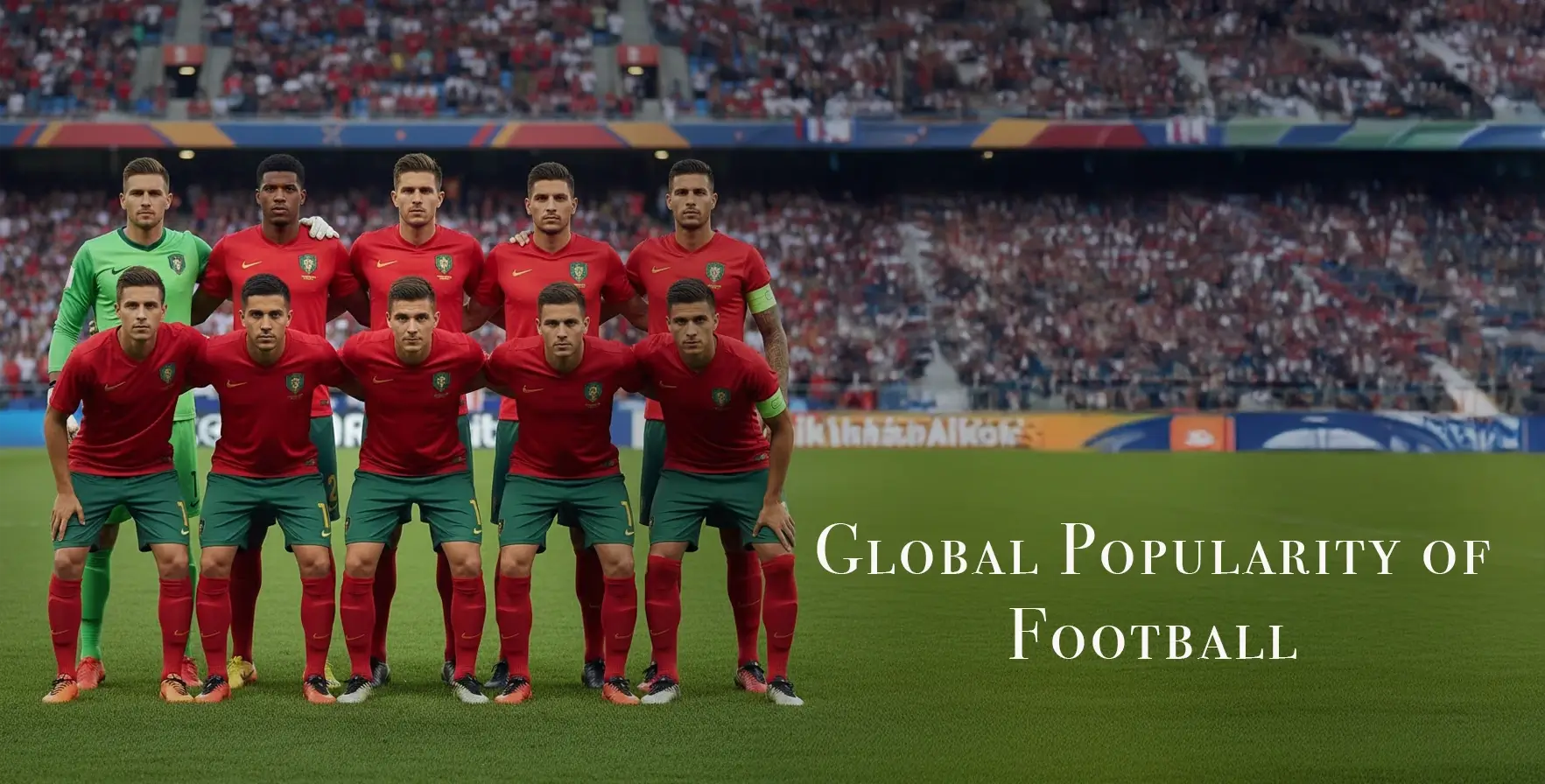
Global Popularity of Football
There is a long history behind soccer that has formed its current global success and made it the largest active sport in the world. Soccer’s origins date back to several centuries before our modern-day game. The ancient Greeks, Romans, and Chinese played a variety of different forms of soccer until some unofficial rules were created in England in the 1800s. The advent of an official soccer governing body, the Football Association of England, in 1863 and the creation of official soccer rules contributed to soccer exploding in popularity with millions of fans and participants around the world. Also, with the formation of FIFA (International Federation of Association Football) and the establishment of international soccer tournaments, such as the FIFA World Cup and the UEFA Champions League, soccer transitioned from being primarily a domestic sport to now being one of the biggest international sports in the world. All of the historical growth associated with soccer combined with the formation of the soccer culture we know today on a national, international and local levels created the current global soccer culture.
Worldwide Participation and Reach
There isn’t another sport that can boast how many people play and watch a single sport than Football. There are people playing and watching Football in almost all of the countries in the world. In fact, according to FIFA, there are more than 240 million players of Football in over 200 countries on a regular basis. Because Football is played all over the world, from major urban centres to small and isolated villages, it is a sport that bonds different cultures and ethnicities throughout every part of the world. The sport of Football is easy to play due to its simplicity and is very affordable to play because only one ball and a small area are all that are needed to play. In addition, National Football Federation (NFF) programs at the grassroots level, community football leagues, and youth football academies continue to build participation in Football and provide opportunities for the development of future players.
Global Tournaments and Massive Viewership
The world has become captivated by all major tournaments and competitions in football because it has continued to be recognised as the most popular sport in the world. Billions of fans from across the globe watch the FIFA World Cup, which is held every four years. Other major tournaments such as the UEFA Champions League also receive huge global attention. Club leagues such as the English Premier League, La Liga, Serie A, and the Bundesliga have massive followings and high television ratings worldwide.
Economic Impact and Job Creation
Football has a massive economic impact on the world economy. Billions of dollars are generated annually through tickets, broadcasting rights, sponsorships, and merchandising. Clubs like Manchester United, Real Madrid, and FC Barcelona are among the most valuable sports organizations globally. Football also creates employment opportunities across multiple industries including coaching, sports equipment manufacturing, hospitality, and retail.
Cultural Influence and Social Impact
Football has deeply influenced culture through art, music, film, and literature. It has also become a platform for social change, with many players and organizations supporting charitable initiatives and global campaigns like “Football for Hope.” The sport’s ability to unite diverse communities highlights its global cultural significance.
Influence of Legendary Players
Global icons such as Pelé, Diego Maradona, Johan Cruyff, Zinedine Zidane, Lionel Messi, and Cristiano Ronaldo have elevated football’s appeal. Their achievements and personal stories inspire millions and contribute significantly to the sport’s worldwide popularity.
Media Exposure and Digital Growth
Television, radio, and digital platforms have expanded football’s reach to a global audience. Live streaming, social media, and online analysis allow fans to stay connected with their favorite teams and players in real time, strengthening the global fan base.
Fan Engagement and Community Identity
Football builds strong emotional connections between clubs and supporters. Match-day traditions, chants, and shared experiences create a powerful sense of belonging and community pride.
Youth Development and Educational Opportunities
Youth academies and grassroots programs identify and nurture young talent worldwide. Initiatives like the FIFA Grassroots Programme ensure participation opportunities for children from diverse backgrounds.
Technology and Innovation in Football
Innovations such as VAR, goal-line technology, data analytics, VR, and AR have improved accuracy, performance analysis, and fan engagement, contributing to football’s continued growth.
Conclusion
The combination of football’s long history, global presence, economic power, cultural influence, media exposure, and technological advancement has made it the most popular sport in the world.